

Master the art of smart jewelry investing with our comprehensive material breakdown
Investment Jewelry:
Gold-Filled vs Gold-Plated - Complete Guide
Femme Style Guide is reader-supported. We may earn a commission through links on our site at no extra cost to you.
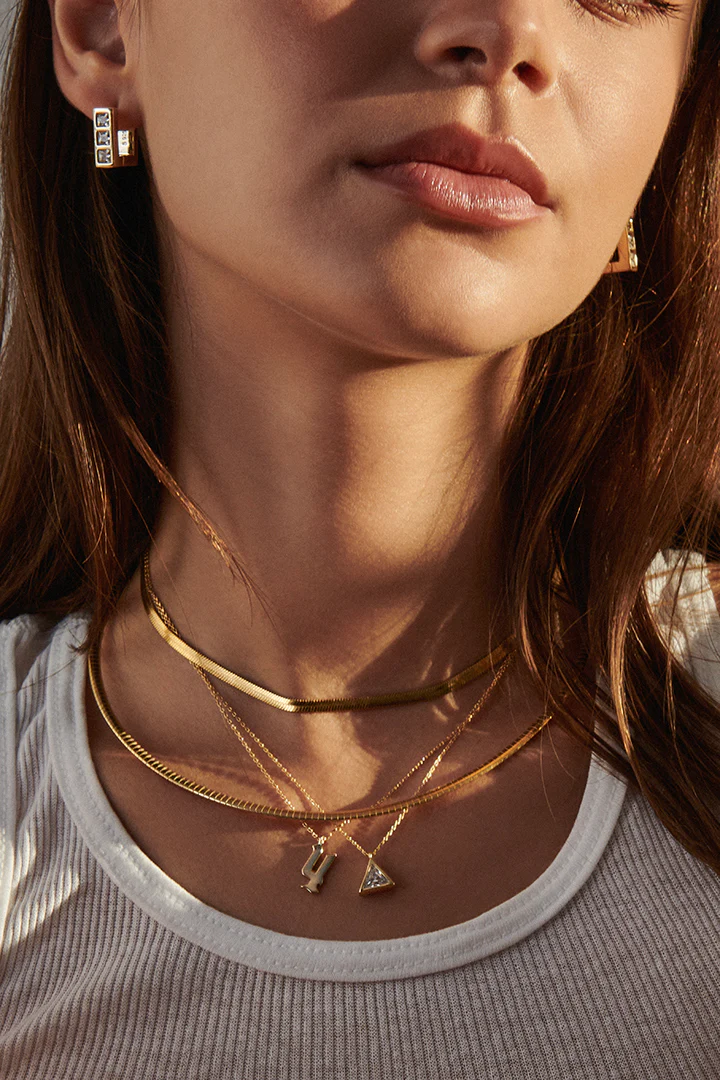
Introduction
The difference between jewelry that lasts a lifetime and pieces that tarnish within months often comes down to one word: materials. Yet the jewelry industry thrives on confusion—gold-plated, gold-filled, gold vermeil, solid gold—terms thrown around interchangeably, leaving consumers uncertain about what they're actually buying.
At Femme Style Guide, we believe informed purchasing is empowered purchasing. This comprehensive guide demystifies jewelry materials, helping you understand exactly what you're investing in and how to choose pieces that align with your budget, lifestyle, and longevity expectations. From the science of metal composition to practical care strategies, consider this your definitive resource for building an heirloom-quality collection.
Understanding Jewelry Materials
The Hierarchy of Quality
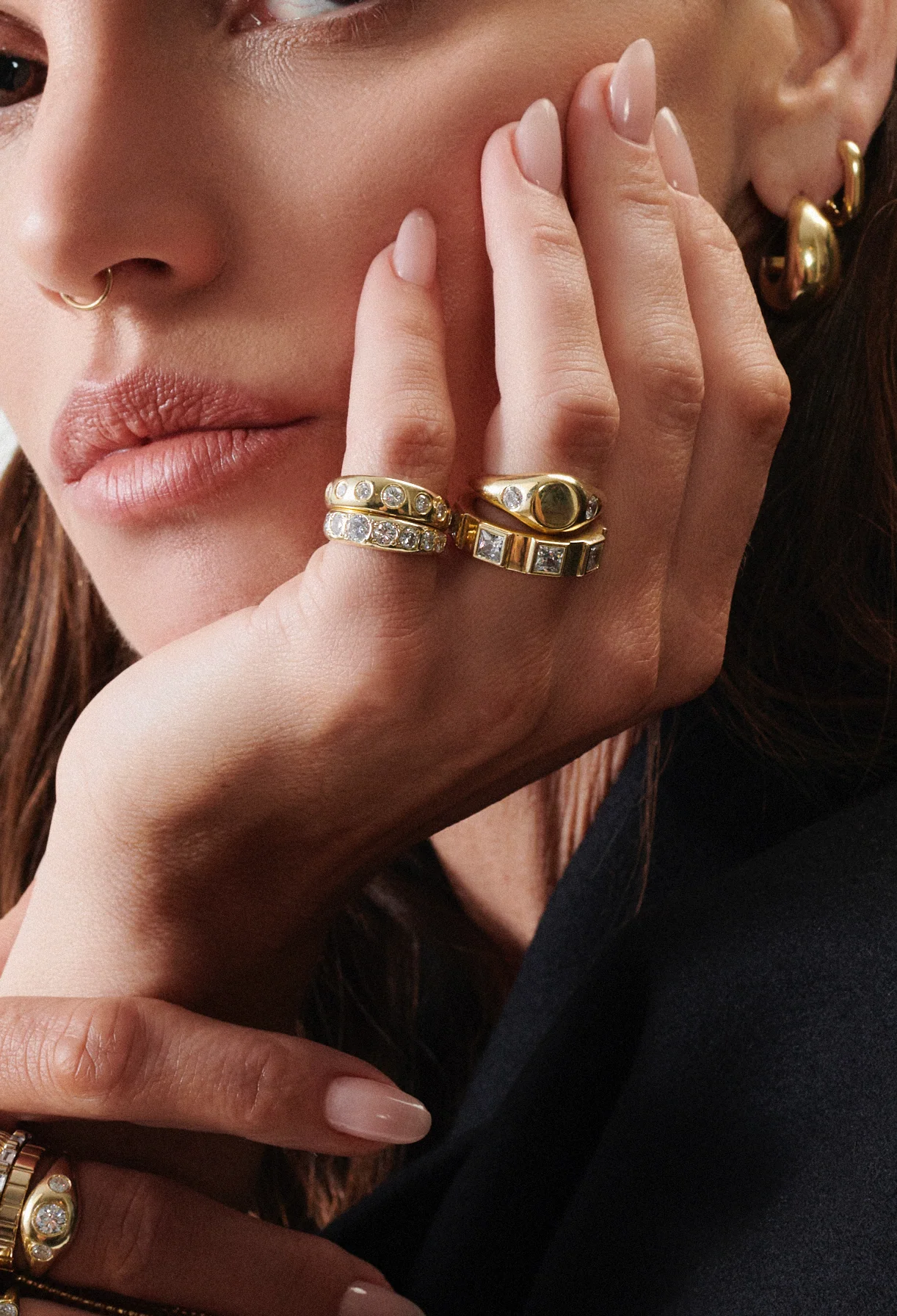
Complete Guide
From Shortest to Longest Lifespan:
1 › Gold Plated (Flash Gold): 6 months - 2 years
2 › Connection over consumption
3 › Gold Vermeil: 3-5 years (with proper care)
4 › Gold Filled: 10-30 years
5 › Solid Gold (14k, 18k): Lifetime
Each category serves different purposes and budgets. Understanding the nuances ensures you choose correctly for your needs.
Sep-1
Material Deep Dive:
The Budget Entry Point
What It Is: A thin layer of gold (typically 0.05% of total weight) electroplated over base metal—usually brass, copper, or nickel.
The Science: Gold plating involves electrically charging the base metal in a gold solution. Gold particles adhere to the surface, creating an ultra-thin coating. Think of it as spray paint over wood—it looks good initially but wears quickly with friction.
Lifespan: 6 months to 2 years with minimal wear
Pros:
✦
Most affordable option
✦
Allows trend experimentation without major investment
✦
Wide variety available at accessible price points
Cons:
Fades, chips, and tarnishes quickly
Turns green from base metal oxidation
Cannot be polished (removes remaining gold)
Not repairable once worn
Best For:
✦
Fashion jewelry you'll wear occasionally
✦
Trendy pieces with short-term appeal
✦
Testing styles before investing in quality
✦
Statement jewelry for special events
FSG Reality Check: Gold plated jewelry serves a purpose—experimentation and special occasions. But if you're building a capsule jewelry wardrobe for daily wear, skip this category entirely. The cost-per-wear rarely justifies even the low initial price.
Example Price Range: $15-$50
Sep-2
The Sweet Spot:
Quality Meets Accessibility
Gold Vermeil: Sterling silver with a substantial gold layer (2.5-5 microns, brand-dependent). Complies with US and UK legal standards.
The Science: Vermeil (pronounced ver-may) uses electroplating similar to standard gold plating, but with crucial differences:
✦
Thicker gold layer (50-100x more gold than standard plating)
✦
Sterling silver base (more stable than brass)
✦
Better adhesion (gold bonds more effectively to silver)
Lifespan: 3-5 years with proper care, 7-10 years with excellent care
Pros:
✦
Significant gold content provides lasting shine
✦
Sterling silver base prevents green skin
✦
Can be professionally re-plated when worn
✦
Luxurious weight and feel
✦
Excellent cost-to-quality ratio
Cons:
Requires proper care (no showers, pools, perfume)
Will show wear over time (especially high-contact areas)
Sterling silver can tarnish if gold layer wears through
More expensive than standard plating
Best For:
✦
Daily wear jewelry with proper maintenance
✦
Building a quality collection on a reasonable budget
✦
Pieces you'll rotate regularly (not 24/7 wear)
✦
Fashion-conscious individuals who care for their belongings
FSG Recommendation: Gold vermeil represents the sweet spot for most jewelry collections. Brands like Tikoo, MÉGA, and Tiny Tags use high-quality vermeil that, with proper care, maintains beauty for years. This is our go-to recommendation for 80% of jewelry purchases.
Example Price Range: $80-$300
Featured Brands:
Sep-3
The Durable Alternative:
Longevity Without Solid Gold Price
What It Is: A thick layer of gold (minimum 5% of total weight) mechanically bonded to a base metal core—typically brass or jeweler's brass.
The Science: Unlike plating which electrically deposits gold, filling mechanically bonds gold to base metal through heat and pressure. The gold layer is 50-100 times thicker than standard plating, creating a product that behaves much like solid gold.
Composition: Marked as "14/20" or "12/20" meaning:
✦
14/20 = 14k gold comprising 1/20th (5%) of total weight
✦
12/20 = 12k gold comprising 1/20th (5%) of total weight
Lifespan: 10-30 years with normal wear
Pros:
✦
Exceptional durability
✦
Won't chip, fade, or tarnish under normal conditions
✦
Can withstand water, sweat, daily wear
✦
Fraction of solid gold cost
✦
Hypoallergenic for most people
Cons:
Heavier than plated options
Limited designer availability (less trendy)
Slight premium over vermeil
Cannot be re-plated (but shouldn't need it)
Best For:
✦
People who never remove jewelry
✦
Active lifestyles (gym, swimming, outdoor activities)
✦
Those sensitive to base metals
✦
Long-term investment pieces
✦
Everyday essentials worn constantly
FSG Perspective: Gold filled flies under the radar but deserves serious consideration. If you shower in your jewelry, exercise in your pieces, or simply forget to remove things, gold filled offers solid-gold durability at a fraction of the cost. The challenge? Finding contemporary designs in this category.
Example Price Range: $100-$400
Where to Find: Specialty jewelry brands, artisan jewelers, vintage collections (gold filled was common in vintage pieces)
Sep-4
The Ultimate Investment:
Heirloom Quality, Lifetime Durability
What It Is: Jewelry made entirely of gold alloy throughout—no base metal, no coating. Available in various karats indicating purity.
Understanding Karats:
✦
10k Gold: 41.7% pure gold (durable, affordable)
✦
14k Gold: 58.3% pure gold (ideal balance)
✦
18k Gold: 75% pure gold (luxurious, softer)
✦
24k Gold: 99.9% pure gold (too soft for most jewelry)
The Science: Pure gold (24k) is too soft for jewelry—it bends, scratches, and dents easily. Alloys (mixing gold with silver, copper, zinc, or palladium) create durability while maintaining gold's beauty. The karat stamp tells you the gold percentage.
Lifespan: Lifetime with minimal maintenance
Pros:
✦
Never tarnishes, fades, or changes color
✦
Hypoallergenic (especially 18k)
✦
Can be repaired, resized, and restored indefinitely
✦
Holds intrinsic value
✦
Heirloom quality
✦
Wearable in all conditions
Cons:
Significant initial investment
Can scratch (especially 18k+)
May show wear in high-contact areas
Expensive to replace if lost
Best For:
✦
Wedding and engagement jewelry
✦
Once-in-a-lifetime commemorative pieces
✦
Heirlooms you'll pass to future generations
✦
Daily essentials you'll wear for decades
✦
People with metal sensitivities
FSG Investment Strategy: Reserve solid gold for:
1 › Wedding/engagement rings - Non-negotiable
2 › One signature necklace - Your forever piece
3 › Classic studs - Wear with everything
4 › Special commemorative jewelry - Birth, milestone, loss
Everything else? High-quality vermeil serves beautifully at a fraction of the cost.
Example Price Range: $300-$3,000+
Featured Options:
Most quality jewelry brands offer solid gold upgrades for investment pieces:
Sep-5
Brand Recommendations by Material:
Best Gold Vermeil Brands
Where to Invest Your Money
Tikoo Jewelry (10/10 for design)
✦
Architectural, statement pieces
✦
Thick vermeil plating (3-5 microns)
✦
Brass base ensures substantial feel
🛒 Shop Tikoo Price: $79-$150
MÉGA Jewelry (9/10 for variety)
✦
Extensive collection across styles
✦
Both gold and sterling vermeil
✦
Designer quality, accessible prices
🛒 Shop MÉGA Price: $35-$290
✦
Price: $35-$290🛒 Shop MÉGA
Tiny Tags (10/10 for personalization)
✦
Heirloom-quality customization
✦
Laser engraving precision
✦
Both vermeil and solid gold options
🛒 Shop Tiny Tags Price: $90-$500
Best Solid Gold Options:
All three brands above offer solid 14k gold upgrades for key pieces—worth the investment for your forever essentials.
Femme Style Guide Conclusion
Bespoke Luxury. Niche Quality.
Final Recommendations
Building Your Intelligent Jewelry Collection
Conclusion
The FSG Formula: 80/20 Rul
80% Gold Vermeil: Your everyday rotation, layering pieces, and trend-influenced jewelry. High quality that doesn't require a second mortgage.
20% Solid Gold: Your forever pieces—wedding jewelry, one signature necklace, classic studs, and special commemorative items worth passing down.
0% Gold Plated: Unless it's a $15 trendy piece you'll wear 3 times. Otherwise, skip entirely.
Final Recommendations
✦
If You're Gifting: Vermeil for friends/family (impressive but not presumptuous) Solid gold for life partners/immediate family
The Bottom Line
Understanding jewelry materials isn't about becoming a metallurgist—it's about making informed decisions that align with your values, lifestyle, and budget. Whether you choose vermeil for its sweet spot between quality and price, gold filled for its durability, or solid gold for its heirloom status, you're now equipped to invest wisely.
✦
Quality jewelry isn't a luxury-it's a strategy. And strategy, dear reader, is always stylish.
For more jewelry insights, luxury brand reviews, and timeless style guidance, explore Femme Style Guide and subscribe to our weekly newsletter.
SHOP QUALITY JEWELRY
Curated Luxury. Effortless Style.
We scour the market to bring you the finest in beauty, fashion, and home decor. Discover expert reviews and hidden gems that elevate your everyday.
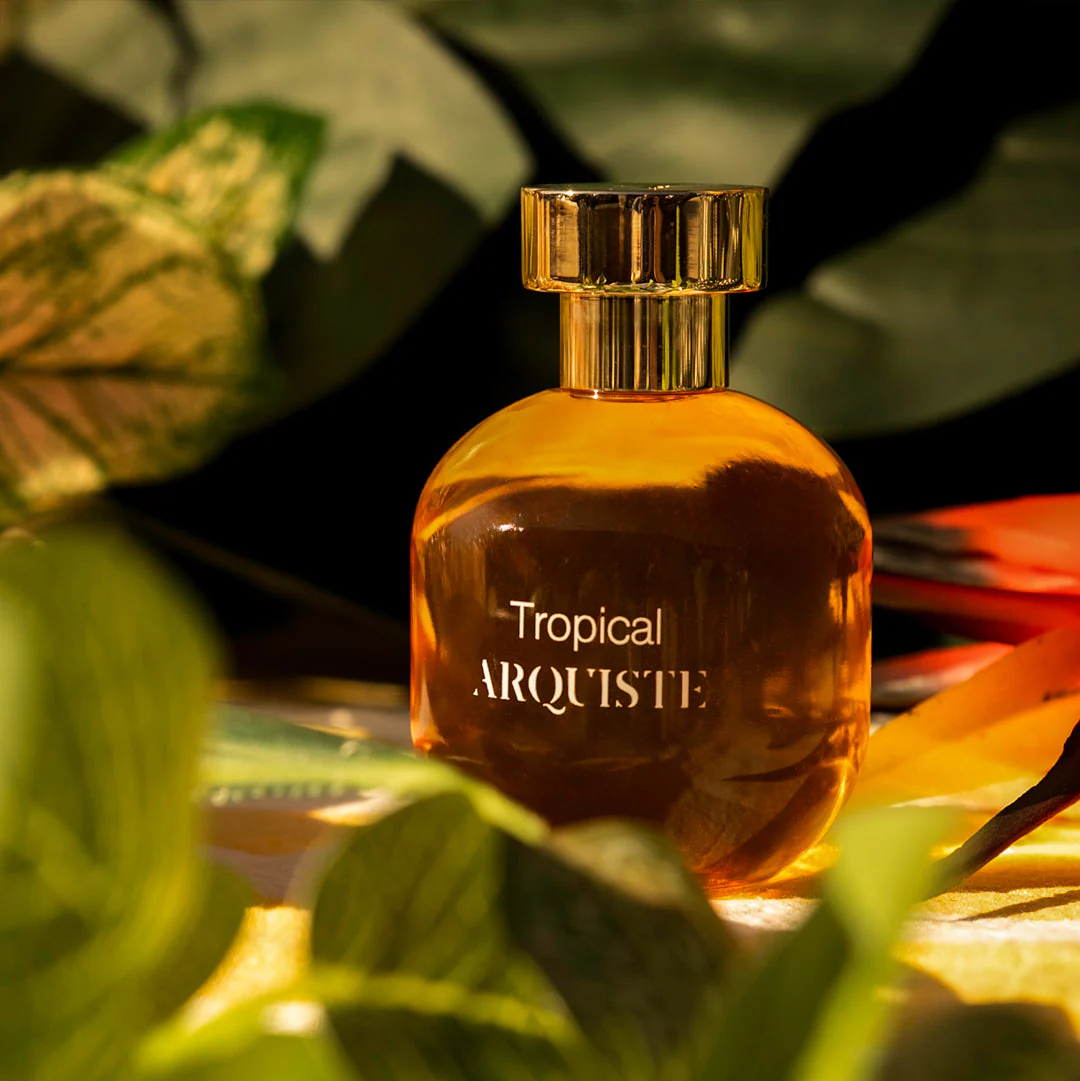
ARQUISTE: The Art of Niche
Fragrance Layering
Discover how artisanal perfumery transforms scent into storytelling



CONTACT
contact@femmestyleguide.com
THE EDIT
Femme Style Guide is reader-supported. When you buy through links on our site,
we may earn an affiliate commission.